
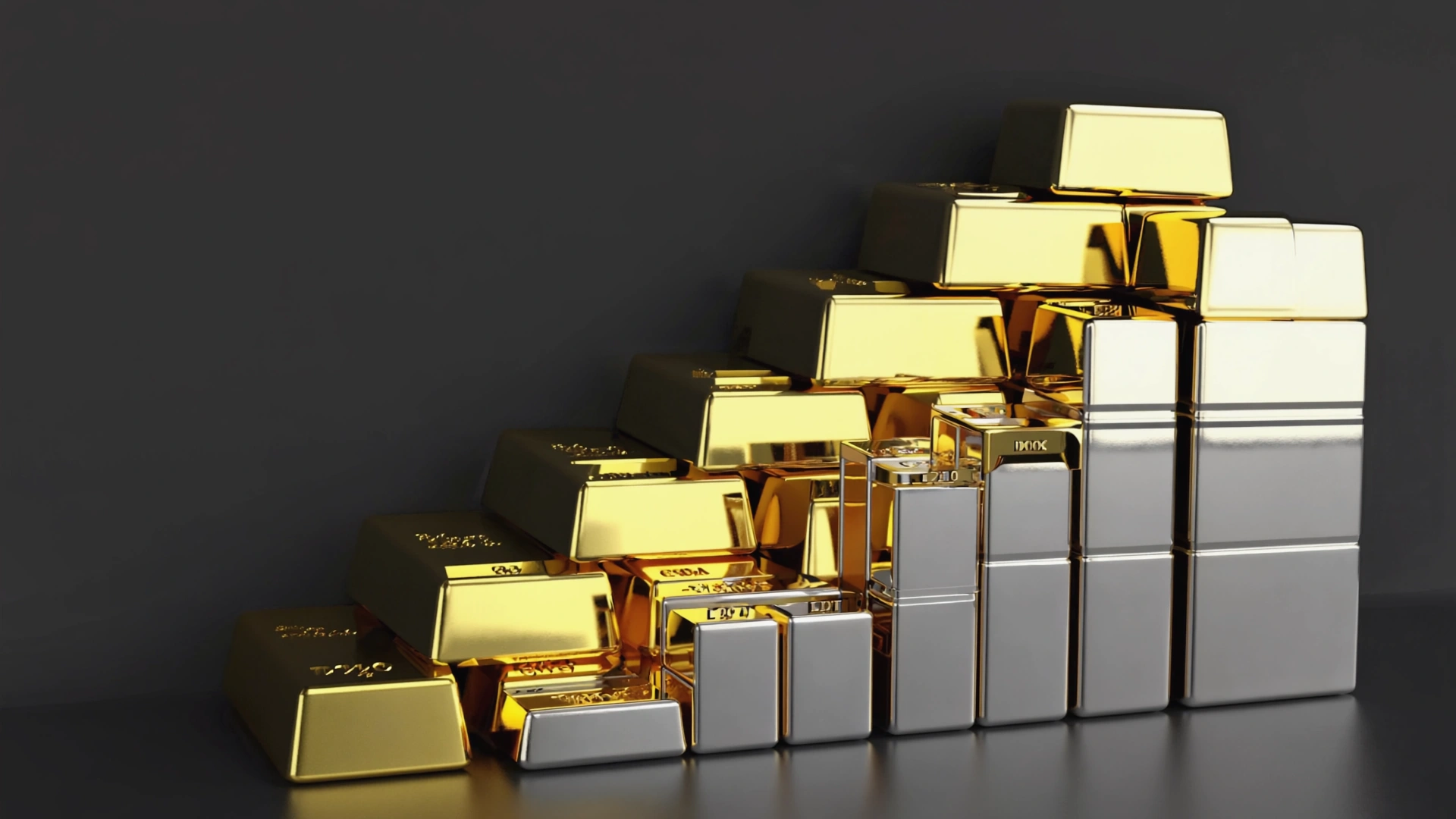
As we move into 2026, precious metals investors are laser-focused on gold-silver ratio predictions—a critical market signal that measures how many ounces of silver are needed to purchase one ounce of gold. A high ratio (above 80:1) often signals silver is undervalued. A low ratio (below 50:1) typically suggests gold may offer better relative value.

📘 Download the full guide: Stackers Handbook — A +100-page expert resource on gold and silver.
With economic uncertainty lingering, central banks shifting course, and industrial demand for silver evolving rapidly, gold silver ratio predictions could present major opportunities this year. Below, we explore key 2026 scenarios and what they might mean for gold, silver, and the ratio that links them.
1. Interest Rate Shifts: A Key Driver of Volatility
Central banks across the globe, including the U.S. Federal Reserve, are approaching a potential pivot in 2026. If interest rates remain elevated or rise again to combat persistent inflation, this could:
- Strengthen the U.S. dollar
- Apply downward pressure on both gold and silver
- Reduce investor appetite for non-yielding assets
However, silver’s industrial demand may act as a cushion. If sectors like solar energy, semiconductors, and electric vehicles continue expanding, silver could outperform despite macro headwinds.
Even in high-rate environments, investment demand for metals tends to rebound once markets anticipate future easing. In that window of market psychology, silver could gain momentum quickly, especially if inflation stays sticky or the Fed signals any dovish pivot.

Impact on the Ratio:
If silver demand holds or grows while gold stalls, the ratio may decline, signaling strength in silver relative to gold. If both metals fall, but silver holds up better, expect a moderate compression in the ratio—possibly heading toward the 70:1 range.
2. Inflation: The Wild Card for Precious Metals
If inflation remains elevated or re-accelerates in 2026, hard assets tend to shine. Gold and silver both serve as hedges against currency devaluation and rising consumer prices.
While gold is the traditional inflation hedge, silver’s dual role as a monetary and industrial metal gives it additional tailwinds. Surging demand for solar panels, EV components, and medical technologies that rely on silver can compound gains in an inflationary environment.
Investors tend to rotate into silver aggressively when gold begins to rise, seeking higher returns on a percentage basis.
You might also enjoy: Gold & Silver Price Forecast 2030
GET THE stackers HANDBOOKHistorical Trend:
In past inflationary waves, silver has compressed the gold/silver ratio from 85:1 to below 50:1, signaling explosive moves in silver.
Impact on the Ratio:
Silver may outpace gold, driving the ratio lower into the 60:1 zone or even below if industrial demand aligns with monetary pressures.
3. Recession Warning Signs: Gold’s Moment to Shine
If the global economy slides into recession in 2026, gold is expected to outperform. It is widely regarded as the world’s premier safe-haven asset, especially in periods of heightened volatility, deflation risk, or equity selloffs.
Silver, by contrast, may struggle in the early stages of a downturn. Its industrial linkages make it sensitive to manufacturing slowdowns, especially in electronics, automotive, and construction sectors.
That said, silver also tends to rebound aggressively once fiscal and monetary stimulus is unleashed. Historically, after the initial shock, silver rallies harder than gold as growth expectations return.
Impact on the Ratio:
Expect the ratio to spike in early recession (perhaps 90:1 or higher) as silver lags. But a quick reversal is possible if stimulus measures spark new demand.
4. Using the Gold/Silver Ratio as a Strategic Tool in 2026
The Gold/Silver Ratio isn’t just a chart—it’s a strategic signal. It helps investors decide when to buy more silver, when to pivot back into gold, and how to grow their metal holdings without selling into fiat.
When the Ratio is High (Above 80:1):
Silver is undervalued compared to gold. Long-term stackers may:
- Sell some gold to buy more silver
- Accumulate silver at a relative discount
- Position for the next ratio reversion move
When the Ratio is Low (Below 50:1):
Gold becomes the more conservative play. You might:
- Swap silver back into gold
- Lock in gains from silver’s outperformance
- Reduce volatility exposure in uncertain times
Stay Agile:
Use real-time charts. Bookmark the Kitco or GoldSilverRatio.info page. Don’t wait for the “perfect” signal. Markets can shift on Fed remarks, geopolitical shocks, or major commodity shortages overnight.
Pro Tip:
Instead of selling for cash, rotate between metals. By cycling gold into silver (and vice versa) at favorable ratios, you grow total ounces while keeping your wealth in the metal ecosystem.

Final Takeaway: What to Watch in 2026
Here’s a quick breakdown of the likely macro scenarios:
If Rates Stay High:
- Pressure on gold
- Strong dollar
- Silver could hold up via industrial demand
- Ratio may decline if silver remains resilient
If Inflation Surges Again:
- Both metals benefit
- Silver could outperform on dual demand tailwinds
- Ratio likely compresses toward 60:1 or lower
If a Recession Hits:
- Gold rises first as the safe-haven of choice
- Silver may lag initially
- Ratio could spike above 90:1, then reverse on recovery
Rule of Thumb for 2026:
- Ratio above 75–80: Stack silver
- Ratio below 50–55: Shift into gold
Industrial Silver Demand and Its Effect on the Ratio
One of the most important factors shaping gold-silver ratio predictions for 2026 is industrial silver demand. Unlike gold, which derives most of its value from investment and jewelry, silver has significant industrial applications in solar panels, electronics, electric vehicles, and medical devices. The green energy transition alone is projected to consume record amounts of silver, with the solar industry accounting for a rapidly growing share of total fabrication demand.
When industrial demand for silver outpaces mining supply, the resulting deficit puts upward pressure on silver prices and compresses the gold-silver ratio. Conversely, a global economic slowdown that reduces industrial activity can weaken silver demand and push the ratio higher as silver underperforms gold. Tracking industrial consumption data through resources like the Silver Institute provides valuable context for predicting where the ratio is headed.
Central Bank Gold Buying and Its Impact
Central banks around the world have been net buyers of gold for over a decade, with purchases accelerating significantly in recent years. Countries including China, India, Turkey, and Poland have been adding to their gold reserves at historic rates. This institutional buying creates persistent upward pressure on gold prices without a corresponding impact on silver, which tends to widen the gold-silver ratio over time.
For ratio traders, central bank buying represents a structural headwind for silver relative to gold. However, when silver eventually catches a bid from retail investors or industrial demand spikes, the resulting ratio compression can be swift and dramatic. Monitoring central bank purchase data helps stackers understand whether current ratio levels reflect temporary dislocation or a longer-term structural shift.
Mining Supply Constraints
Global silver mine production has plateaued in recent years, with many of the world’s largest silver mines facing declining ore grades and rising extraction costs. Unlike gold, where new discoveries and advanced extraction techniques have helped maintain supply growth, silver mining faces unique challenges because approximately 70% of silver production comes as a byproduct of copper, zinc, and lead mining rather than from primary silver mines.
This supply structure means that silver production is more sensitive to base metal market conditions than to the silver price itself. If base metal mines curtail production due to low copper or zinc prices, silver supply falls regardless of silver demand. Current industry data from the U.S. Geological Survey suggests that silver supply deficits may persist through 2026, creating a bullish backdrop for silver and potentially compressing the ratio.
Geopolitical Risks and Safe-Haven Flows
Geopolitical instability has historically been a strong driver of the gold-silver ratio. During periods of heightened uncertainty — wars, trade conflicts, sanctions, or political crises — investors flock to gold as the premier safe-haven asset. Silver, with its heavier industrial component, tends to lag gold during these risk-off events, pushing the ratio higher. The ongoing reshoring of supply chains, tensions between major global powers, and shifting trade alliances all represent potential catalysts that could send the ratio to elevated levels in 2026.
However, once geopolitical tensions ease or stabilize, silver often plays catch-up as industrial demand rebounds and speculative interest returns. Stackers who understand this pattern can use elevated ratio readings during crisis periods as buying signals for silver, positioning themselves to benefit from the inevitable compression that follows when risk appetite returns to the market.
Master the Ratio in Your Stack Strategy
Gold silver ratio predictions are your compass in 2026’s unpredictable terrain. Whether you’re building a hedge or chasing upside, let the ratio help you:
- Identify undervalued metal opportunities
- Increase total ounces without converting to fiat
- Position your portfolio to thrive across inflation, deflation, or recession
Ready to Stack Smarter?
Grab your copy of The Stacker’s Handbook and learn the complete ratio strategy used by veteran metals investors.
Stay ahead of the market. Stack with precision. And grow your holdings the smart way in 2026.
Explore our complete guide: Gold Silver Ratio
